I’ve been obsessed with The Bear since its first season. To me, it’s a show about craft and the creative process: the frustration of wanting to make something better than your current abilities allow, and the time, practice, and attention to detail it takes to close that gap. I’ve never seen anything capture that experience so clearly: what it feels like to care deeply about doing something well, and what it takes to get there.
If you’re a designer or work in another creative craft, you’ll probably recognize something of yourself in this show. It brought me back to my early days as a designer, when I knew, deep down, that this was what I wanted to do. I wanted so badly to be good at it, even though I wasn’t there yet. What followed were years of practice, including weekends spent honing my skills.
Even now, with a strong command of my craft, I’m still working to improve and adapt as design evolves.
The Bear excites me to no end. I’d sit on the edge of my couch, cheering as the characters threw themselves into the unknown out of love for their craft. There’s something exhilarating about watching people become absorbed in something they care about and commit themselves to getting better at it.
To me, that’s the journey of self-actualization: discovering what you care about and seeing how far you can take it. If I’m honest, I think that’s part of why we’re here. To create, discover, and become who we are along the way.
You can see that process unfold in some of the show’s most memorable scenes, as the characters learn to perform small tasks with extraordinary care.
Marcus travels to Copenhagen to learn from an accomplished pastry chef, repeating delicate techniques and making small adjustments as he develops his touch. Richie reluctantly polishes forks at a fine-dining restaurant, gradually discovering the care and purpose behind a task he initially dismisses as pointless. Tina repeatedly practices preparing a pasta dish against a timer, working to turn a technique she understands into something she can execute confidently during a busy service.
I see that progression running through the seasons, with each character experiencing it differently. Some discover an interest they hadn’t recognized in themselves. Others seek out teachers, build confidence, or take on greater responsibility. Carmy already has the expertise the others are working toward, yet struggles to enjoy it. Following their stories, we see how getting better changes what they notice, what they expect of themselves, and what they find rewarding.
Spoilers follow for all five seasons.
Season 1: Finding something worth persisting with
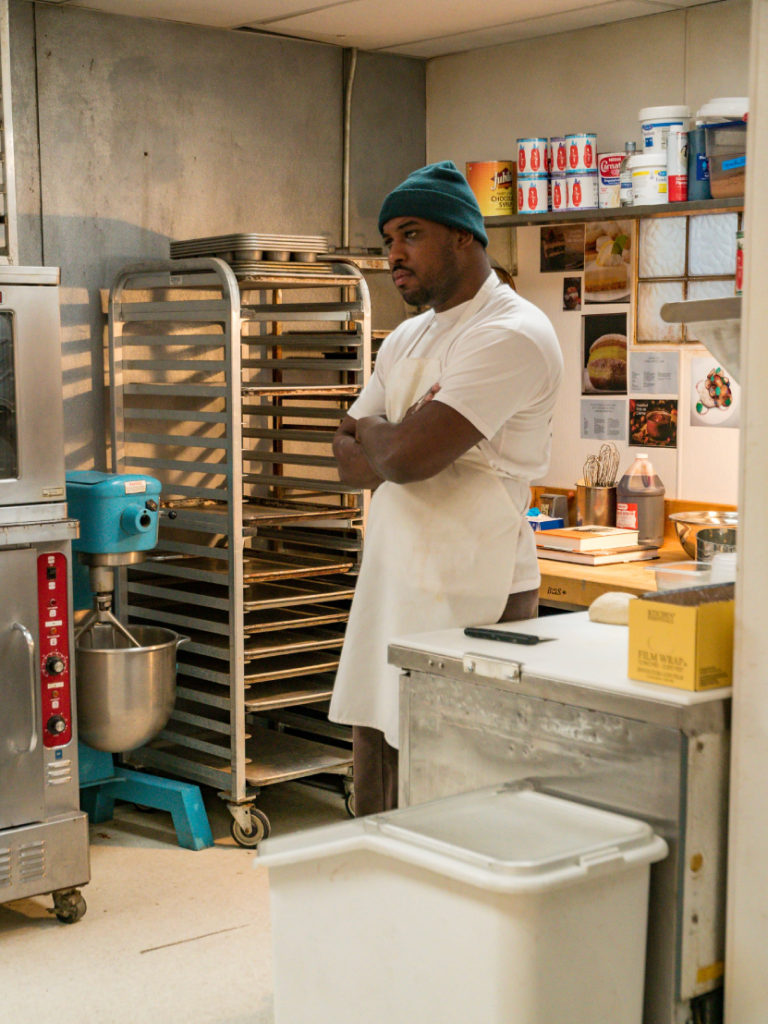
Developing a craft often begins with something that captures your interest so strongly that you’re compelled to keep working at it, even as you realize how much you still have to learn.
In the first season of The Bear, that interest begins to take shape amid the demands of keeping a struggling restaurant running.
Carmy returns to Chicago after his brother Mikey’s death and takes over the family sandwich shop, the Original Beef of Chicagoland. He brings experience from elite restaurants into a kitchen with financial problems, improvised systems, and a staff attached to the way Mikey did things.
Changing the restaurant proves difficult. Carmy knows how to cook at a high level, but leading this team requires skills he is still developing. Richie resists changes to a place that connects him to his closest friend. Sydney joins because she wants to learn from Carmy and believes the restaurant could become something more.
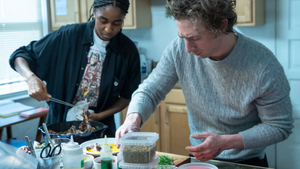
Amid the difficult services, individual ambitions begin to emerge. Marcus becomes absorbed in making a doughnut. He experiments, makes adjustments, and keeps returning to it. His interest has become specific: he wants to understand how to make this particular thing well.
Sydney develops a short-rib risotto which earns praise from a food critic. She can see possibilities beyond the existing menu and wants the opportunity to pursue them.
Their enthusiasm also creates problems. In “Review,” Sydney’s ordering-system mistake overwhelms the kitchen, while Marcus continues focused on his doughnut instead of preparing the cakes needed for service. Both are learning how their ambitions fit within the responsibilities of a working kitchen.
By the finale, the discovery of money Mikey concealed in tomato cans creates an opportunity to build a new restaurant. After a season spent struggling to keep the Beef running, the team can imagine what comes next.
Season 2: Becoming a student and learning to notice
As you develop a craft, your perception sharpens. Learning from those with greater experience, you start to recognize the choices, techniques, and intention behind work you once admired without grasping its complexity.
Season two pushes the team beyond the comfort of their own kitchen. Through travel, training, and exposure to new ways of working, they realize how much they still have to learn, and begin to imagine the kind of cooks and collaborators they could one day become.
The second season follows the sandwich shop’s conversion into a fine-dining restaurant. The team renovates the building, develops a menu, secures funding, and works through permits and inspections. Natalie helps organize an undertaking that keeps revealing new complications.
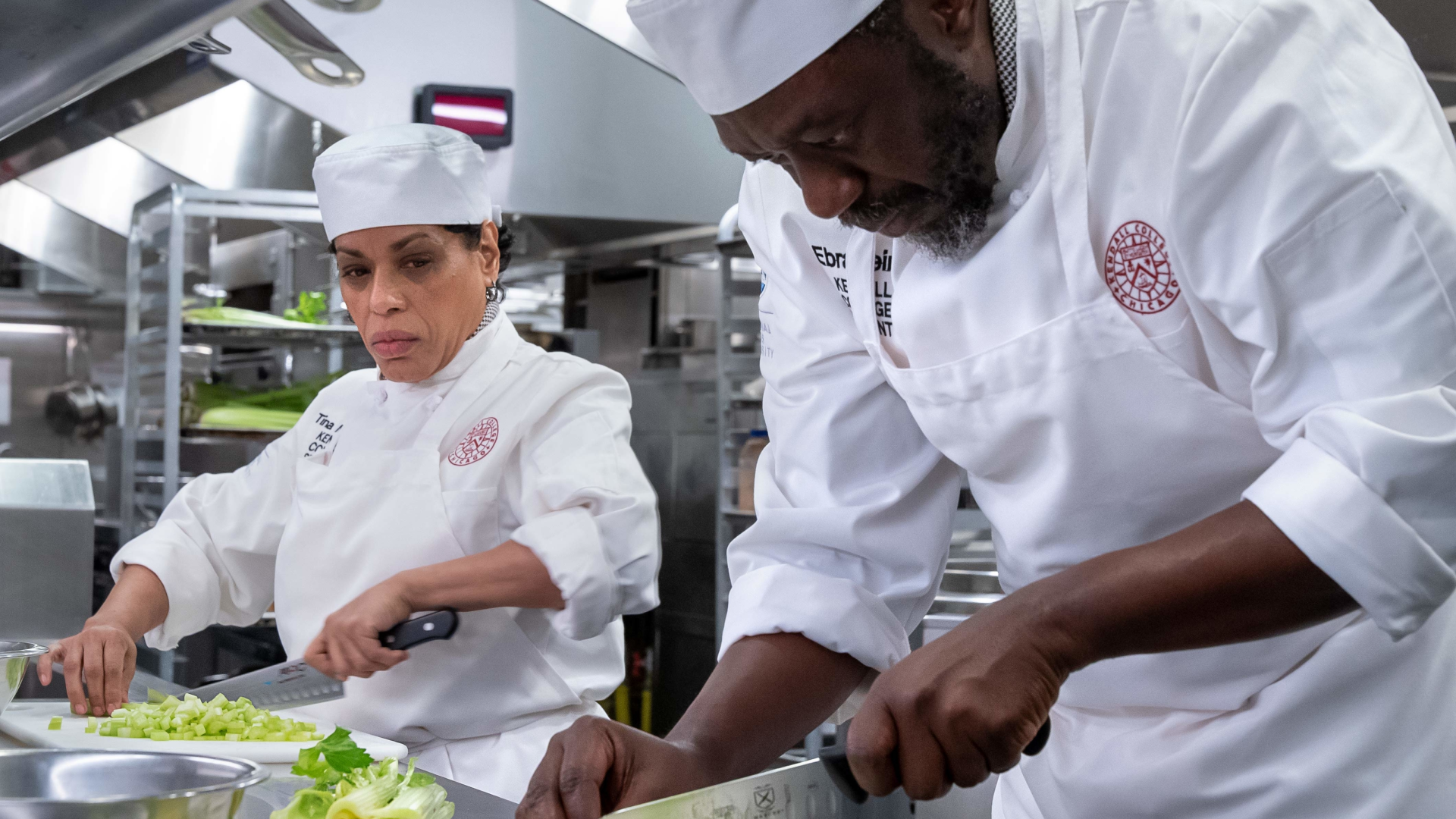
The people are preparing for their own transformation. Tina and Ebra attend culinary school. Marcus travels to Copenhagen to learn from pastry chef Luca. Richie trains at an accomplished restaurant in Chicago.
In “Honeydew,” Marcus works through delicate pastry techniques under Luca’s guidance. He receives corrections and tries again. Luca’s precision comes with patience, giving Marcus room to concentrate and improve.
Outside the kitchen, Marcus walks through Copenhagen, takes photographs, and sketches. The trip expands what he has to draw from. He is developing his technique while encountering a different place, pace, and way of working.
Richie’s education in “Forks” begins with a task he considers beneath him: polishing cutlery. Gradually, he starts to understand how each detail connects to the guest experience.
When the staff overhears visiting diners saying they haven’t tried Chicago deep-dish pizza, Richie helps arrange a surprise. He begins to recognize hospitality as something he could be good at. His attention, knowledge of people, and willingness to act have a purpose.
By friends-and-family night, that education starts to show. When Carmy becomes trapped in the walk-in refrigerator, the others have to carry the service. Their individual development has given the team skills it didn’t have before.
Season 3: Improving your skills and raising your standards
As your abilities grow, improvement becomes more demanding. You revisit foundational techniques, notice subtler distinctions, and strive for greater consistency. The process of learning how to practice—and understanding which standards genuinely drive progress—becomes a craft in itself.
Opening the restaurant creates a new challenge: delivering on its ambitions every day.
Carmy responds by intensifying his expectations. His list of non-negotiables includes changing the menu daily, creating demands throughout the kitchen and dining room. Costs rise, relationships deteriorate, and Sydney questions how much room she has to contribute. An offer to lead another kitchen gives her a possible alternative.
The season also looks back at the education behind Carmy’s ability. In “Tomorrow,” we see him learning in different kitchens, receiving instruction, and preparing meticulously. His expertise comes from years of watching, practicing, and being corrected.
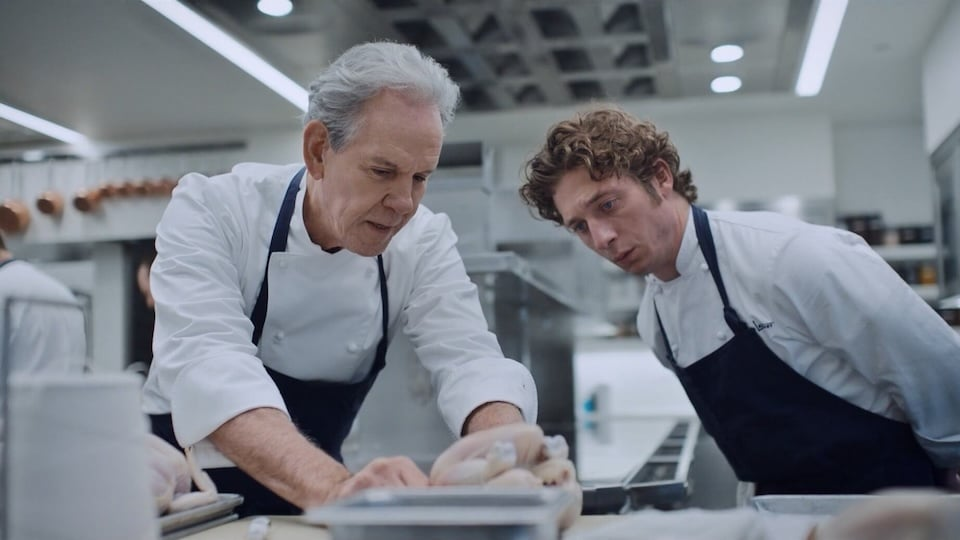
In “Forever,” Thomas Keller shows him how to prepare and truss a chicken. The scene gives a basic task time and attention. Learning the method carefully matters, even when the task itself might seem ordinary.
Carmy’s approach now also reveals a difficulty with this stage. His constant changes make it harder for the team to build consistency. People need opportunities to repeat a task, understand it, and improve. Continually moving the target can interrupt that process.
The season complicates the appeal of high standards. Carmy’s ability is extraordinary, but the habits he associates with excellence are damaging the conditions in which other people need to learn.
Season 4: Turning experience into judgment
As you gain experience, you learn to sharpen your judgment. You begin to identify what the work truly needs, recognize and remove unnecessary complexity, and adapt quickly when challenges arise. Techniques that once demanded your full attention become tools you can use intuitively, allowing you to respond fluidly to what’s happening around you.
Season four centers on the challenge of transforming individual skill into collective reliability. The team’s growth shows up in subtle improvements, growing confidence, and choices that bring the restaurant’s ambitions closer to reality.
A mixed review exposes the restaurant’s inconsistency, and its financial problems become urgent. Uncle Jimmy and his adviser install a countdown clock showing how much time remains before funding runs out. The team must work out how to make its ambitions sustainable.
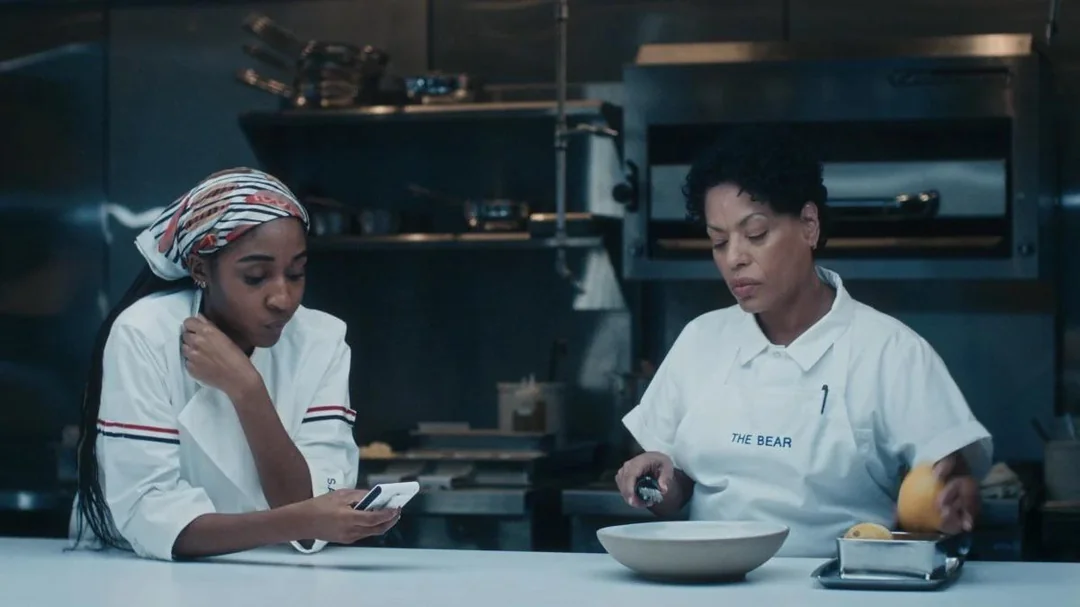
Improvement becomes concrete. Tina repeatedly practices getting a pasta dish out within three minutes. She works against a timer, confronting the gap between knowing how to prepare something and delivering it reliably during service.
Sydney’s growing fluency is visible when she completes the same dish within the target time. In “Scallop,” an extended sequence follows her as she prepares another dish, allowing us to observe her coordination and control.
There is satisfaction in watching someone apply practice in the moment. Sydney can concentrate on the work and respond to what it needs.
Her decision to simplify the menu also indicates increasing judgment. Experience teaches you what a team can execute consistently, and where complexity creates unnecessary difficulty.
Carmy, meanwhile, begins confronting his own behavior. By the finale, he has removed himself from the partnership agreement and announces his intention to leave. Sydney feels abandoned, while he admits that he no longer enjoys the work.
His experience adds an important complication to the progression. Technical mastery creates possibilities, but the way you work—and the expectations you place on yourself and others—affects whether you can enjoy them.
Season 5: Experiencing what the effort has made possible
One of the greatest rewards of developing a craft is finding satisfaction in challenges that once felt insurmountable. Hard-won skills offer the freedom to adapt, contribute meaningfully, and take pride in what you and those around you achieve together.
The final season gives the team a demanding test. With Carmy preparing to step away, Sydney takes greater responsibility. A storm, reservation problems, and limited supplies put pressure on a service that occupies much of the season.
The team has to adapt together. Their accumulated skills and knowledge of one another become resources they can use. Sydney can lead because others can take responsibility alongside her.
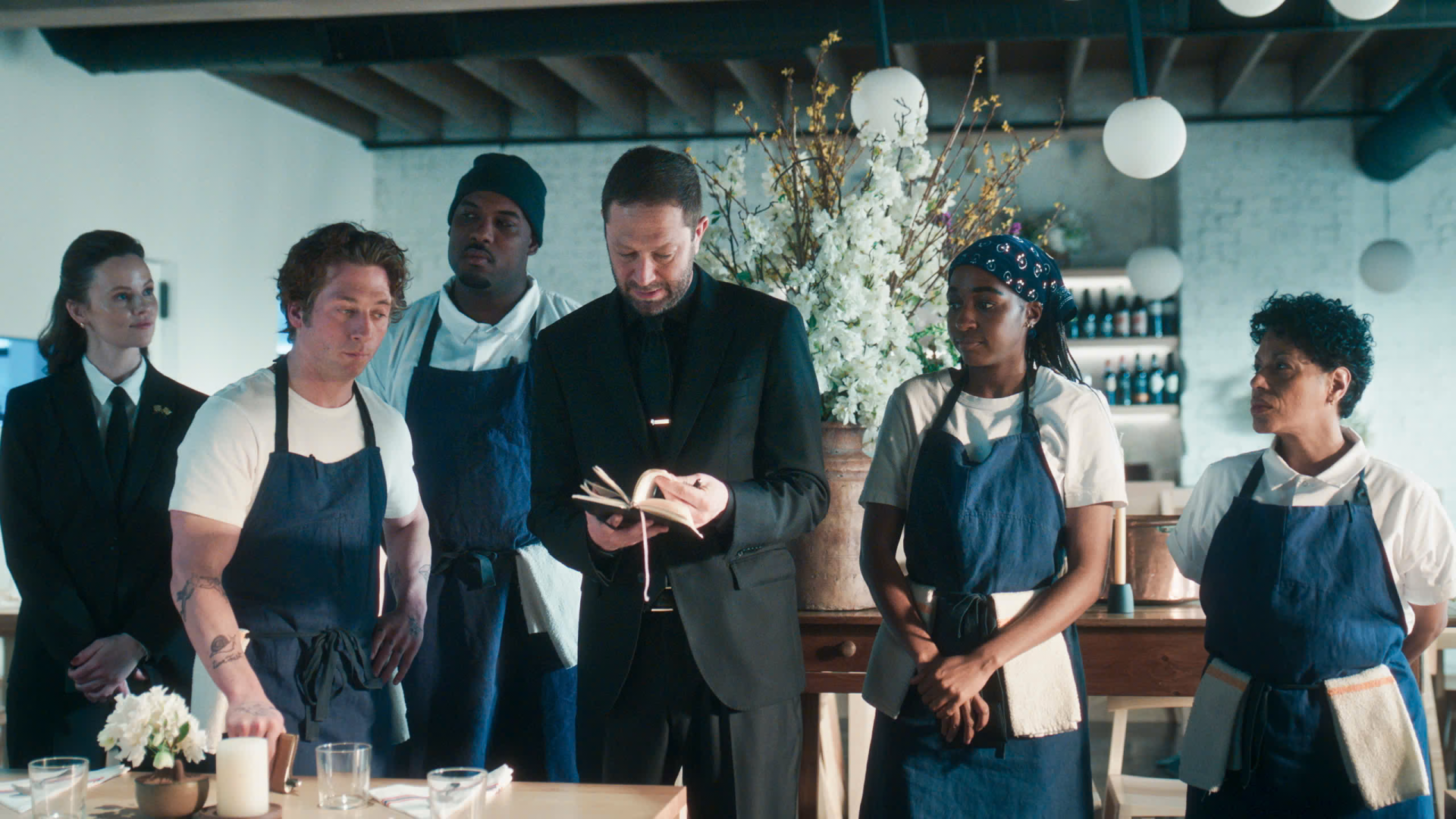
The finale gives them space to experience what they have accomplished. The restaurant receives two Michelin stars. Tina becomes chef de cuisine. Richie accepts an opportunity to travel to Japan for a hospitality seminar, opening another phase in an education that began with polishing forks.
The recognition matters. So does the quieter moment when Tina admits she enjoyed the difficult service and wants to do it again.
Earlier in her development, the demands of that kitchen could leave her struggling to keep up. Now, meeting those demands can be satisfying. She has abilities she wants to use.
There will still be difficult days, more to learn, and things you can’t yet do. But you may also find yourself finishing a demanding piece of work, looking around at the people who helped make it possible, and wanting to do it again.